


Smart Contract Development & Audit Services
Develop secure and reliable smart contracts that automate business processes, support decentralized applications, and enable blockchain-based transactions.
Custom Smart Contract Development for Secure and Automated Operations
At Quecko, we develop custom smart contracts for leading blockchain networks, including Ethereum, BNB Chain, Tron, Hyperledger, and more. Our solutions are designed to automate workflows, enforce business logic, and support secure blockchain applications across different industries.
Our Smart Contract Development Services
Full-lifecycle engineering tailored to your business model, security standards, and targeted blockchain environment.
Smart Contract Consulting
Get technical guidance on smart contract architecture, blockchain selection, development strategy, and implementation based on your business requirements.
Smart Contract Development
Build custom smart contracts tailored to your application's business logic, transaction requirements, and blockchain environment.
Wallet Infrastructure
Integrate wallet functionality directly into web and mobile applications, allowing users to create, fund, and manage wallets within the application.
Wallet SDK Development
Use modular SDKs to integrate wallet capabilities such as key management, transaction signing, multi-chain support, and compliance functionality.
Smart Contract Audit
Review smart contract code to identify vulnerabilities, logic issues, security risks, and potential implementation errors before deployment.
Smart Contract Optimization
Optimize contract code to improve execution efficiency, reduce unnecessary computational operations, and help minimize gas costs where applicable.
AI-Assisted Smart Contract Development
Integrate AI-assisted development workflows and intelligent functionality into blockchain applications where appropriate.
Smart Contract Integration
Connect smart contracts with existing applications, APIs, business systems, and third-party services to support automated blockchain-based workflows.
Post-Deployment Support
Maintain and monitor deployed smart contracts with ongoing updates, issue resolution, optimization, and technical support.
Compliance Guidance
Receive guidance on blockchain and smart contract compliance requirements relevant to your application and target market.
Smart Contract Use Cases
Smart contracts can automate transactions, enforce predefined conditions, and reduce manual intervention across multiple industries.
Supply Chain Management
Automate shipment tracking, condition verification, payment processing, and supply chain workflows using predefined contract logic.
Real Estate
Support property transactions, ownership records, agreements, and automated processes through blockchain-based smart contracts.
Transport & Logistics
Enable automated payments, shipment tracking, verification, and transaction management across logistics operations.
Healthcare
Support secure data sharing, claims verification, and automated healthcare workflows while maintaining appropriate access controls.
Banking & Finance
Develop smart contracts for financial transactions, DeFi applications, settlements, asset management, and automated financial workflows.
Media & Entertainment
Automate royalty distribution, creator payments, digital ownership, and other transactions between creators and consumers.
Legal Agreements
Digitize and automate agreements based on predefined terms, reducing manual processing and improving transparency.
Voting Systems
Develop blockchain-based voting mechanisms that provide verifiable records and transparent transaction histories.
Decentralized Applications
Build dApps powered by smart contracts for financial services, healthcare, marketplaces, gaming, and other Web3 applications.
Smart Contract Development Across Leading Blockchain Networks
Our development team works across multiple blockchain ecosystems to build and deploy smart contracts based on project requirements.

Ethereum
Develop secure Ethereum smart contracts for dApps, DeFi platforms, token systems, and enterprise applications.

BNB Chain
Build cost-efficient and scalable smart contracts for decentralized applications, tokens, DeFi platforms, and Web3 products.

Tron
Develop Tron smart contracts for applications requiring efficient transactions, digital assets, content platforms, and high-throughput use cases.

EOS
Develop smart contracts for EOS-based dApps with a focus on performance, scalability, and application-specific functionality.

Hyperledger
Build permissioned smart contract solutions for enterprise use cases such as supply chain, finance, identity, and data management.

Polkadot
Develop blockchain solutions that leverage Polkadot's interoperability and multi-chain architecture for cross-chain applications.
Smart Contract Auditing for Secure Blockchain Applications
A smart contract vulnerability can affect application functionality, digital assets, and user funds. Quecko combines automated security analysis with manual code review to identify vulnerabilities, logic issues, and potential security risks.
Our audit process helps teams identify issues before deployment and provides actionable recommendations for remediation.
Our Smart Contract Audit Process
A rigorous 7-stage verification methodology designed to eradicate exploit vectors before contracts touch mainnet value.
Initial Smart Contract Audit
Review the contract architecture and source code to identify common vulnerabilities, implementation issues, and potential security weaknesses.
Complete Security Assessment
Evaluate contract logic, access controls, transaction flows, dependencies, and security mechanisms against potential attack scenarios.
Automated Code Analysis
Use automated security tools to scan the codebase for known vulnerabilities, coding issues, and potential weaknesses.
Manual Code Review
Conduct detailed manual analysis to identify logic flaws and application-specific risks that automated tools may not detect.
Comprehensive Audit Report
Provide a structured report outlining identified vulnerabilities, their severity, affected code areas, and recommended mitigation measures.
Remediation Support
Assist development teams in addressing identified vulnerabilities and reviewing implemented fixes before deployment.
Ongoing Security Support
Provide continued security support through smart contract testing, scheduled reviews, monitoring, and maintenance throughout the application lifecycle.
Blockchain Platforms We Audit
We provide smart contract auditing across major blockchain ecosystems with protocol-level expertise:


Smart Contract Audit Use Cases
Targeted verification tailored to the distinct economic and logic risks of each decentralized protocol vertical.
DeFi Platforms
Audit smart contracts responsible for lending, staking, liquidity, trading, and other decentralized financial operations.
Blockchain Protocols
Review protocol-level smart contracts and core logic to identify vulnerabilities and improve application security.
NFT Platforms
Audit NFT minting, ownership, marketplace, royalty, and trading contracts to help protect digital assets and user transactions.
Decentralized Applications
Assess dApp smart contracts for security vulnerabilities, access-control issues, logic errors, and transaction risks.
Decentralized Exchanges
Audit trading, liquidity, token swap, and settlement contracts to identify vulnerabilities that could affect user funds.
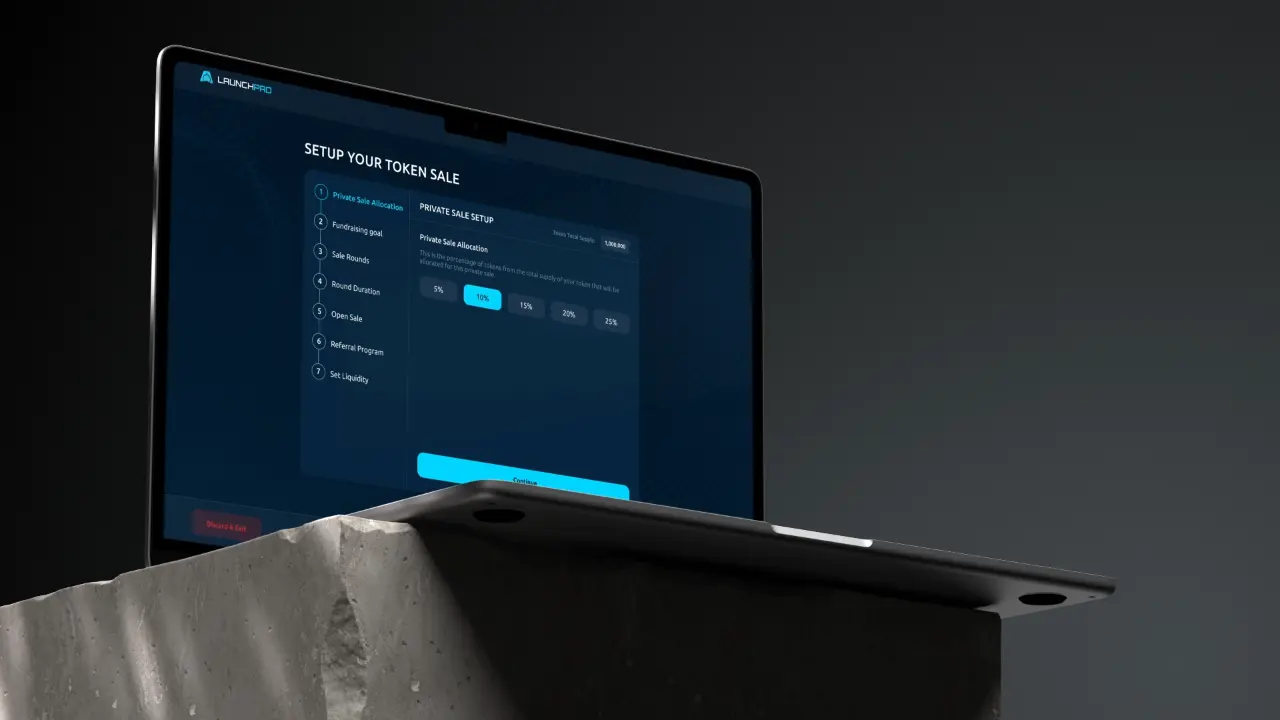
Token Sale & ICO Platforms
Review token sale contracts and associated functions such as supply limits, allocation, caps, and transaction logic.
Frequently Asked Questions
Our Work
Our Projects


Our Clients
Testimonials
Brilliant work, fast and flexible
The work Quecko has done has been absolutely brilliant. Extremely responsive, reliable, and fast, we can throw last minute requests in and they'll get them done by the end of the day.
Tom Blears
Chief Executive Officer

Outstanding Crypto Game Development
The client highly praises the developers for exceeding expectations while building a cryptocurrency slot game. They delivered exceptional post-launch support and bug fixes, leaving the client eager for future collaborations.
CEO - Corsair Web3 Game

Ready to Build & Audit Secure Smart Contracts?
Connect with our senior smart contract architects and security researchers today.