Services

Web3 & Blockchain

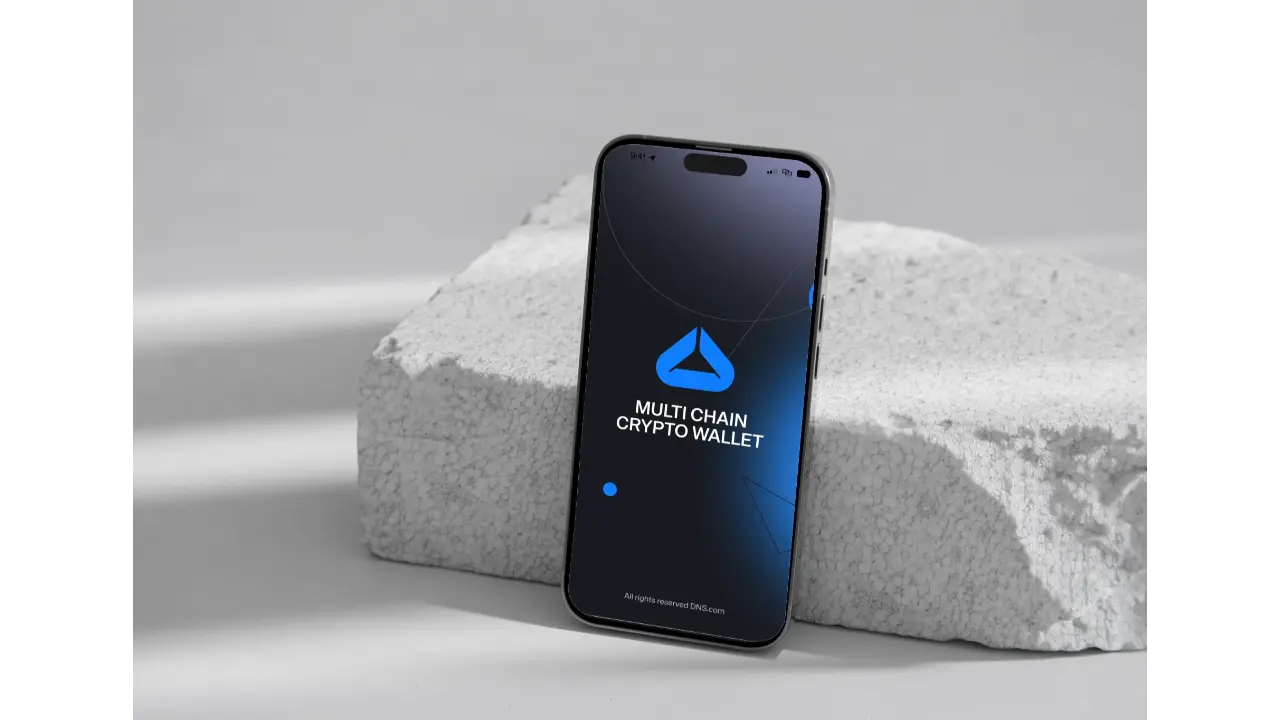
Crypto Wallet Development — Non-Custodial, MPC & Custodial

As Secure as a Hardware Wallet. As Simple as a Banking App.

Quecko builds crypto wallets across every custody model — non-custodial, custodial, and MPC-based — engineered to be as secure as a hardware wallet and as simple to use as a mainstream banking app, without asking users to become their own security expert.

400+clients across 20+ countries
$300M+in funds generated
250+products built
150+engineers worldwide
400+clients across 20+ countries
$300M+in funds generated
250+products built
150+engineers worldwide
400+clients across 20+ countries
$300M+in funds generated
250+products built
150+engineers worldwide
400+clients across 20+ countries
$300M+in funds generated
250+products built
150+engineers worldwide
What We Build

What Quecko Delivers for Crypto Wallet Development

01

Non-Custodial Wallets

Full user key ownership with secure local key storage, seed phrase backup flows, and biometric-gated signing designed to minimize the everyday friction that causes users to make risky shortcuts.

02

MPC Wallets

Multi-party computation-based key management that eliminates single points of failure without requiring a traditional seed phrase at all, distributing key shares across devices or parties so no single compromise is catastrophic.

03

Custodial Wallet Infrastructure

Enterprise-grade custody with HSM-backed key storage, multi-approval withdrawal flows, and compliance-ready audit trails suited to platforms that need to hold assets on behalf of users directly.

04

Multi-Chain Wallet Support

Unified wallet experiences spanning EVM chains, Solana, and Bitcoin, with automatic network detection so users don't need to understand which chain an asset lives on to use it.

05

Wallet-as-a-Feature (SDK)

Embeddable wallet SDKs that let any existing app add crypto wallet functionality without building custody infrastructure from scratch, dramatically reducing time-to-market for wallet-enabled features.

06

Social Recovery & Account Abstraction

ERC-4337-based smart accounts with guardian-based recovery, removing seed phrases as the sole recovery mechanism and enabling gasless transactions, session keys, and spending limits.

The Challenge

Where Wallets Actually Lose User Funds

Every Web3 product, no matter how sophisticated its underlying protocol, is ultimately experienced through a wallet — and wallets remain the point where mainstream users most often abandon crypto entirely, confused by seed phrases, gas fees, and unfamiliar signing prompts. Account abstraction and MPC custody have matured to the point where a genuinely mainstream-friendly wallet experience is achievable without sacrificing self-custody principles, but building it correctly requires treating UX and cryptographic security as one unified design problem rather than two separate concerns handled by different teams. Wallets sit at the highest-stakes point of any Web3 product — a single key-management flaw means permanent, irreversible loss of user funds with no customer support line to call and no chargeback process available. Teams routinely underestimate how much of wallet engineering is UX and recovery design rather than pure cryptography: industry data consistently shows that seed phrase confusion, phishing via unclear signing prompts, and lost recovery phrases cause far more fund loss than actual smart contract hacks or cryptographic breaks. A technically perfect key-management scheme still fails if real users can't operate it correctly under everyday conditions.

The Old Way
Hand users a seed phrase and a warning, then consider key management 'solved'
Present raw transaction signing prompts users can't meaningfully evaluate
Treat MPC or account abstraction as a nice-to-have future upgrade
Build a standalone wallet app when embedding into an existing product would serve users better
The Quecko Way
Design recovery flows (social recovery, guardian-based, or MPC-distributed) as the primary safety net, not the seed phrase alone
Translate signing requests into plain-language summaries of what a transaction actually does
Default to account abstraction (ERC-4337) or MPC custody where it meaningfully improves security and UX simultaneously
Build wallet functionality as an embeddable SDK whenever that better serves the actual product experience
Execution Blueprint

Execution Timeline

01Day 1–22

Custody Model Selection

Choose non-custodial, custodial, or MPC-based custody based on your product's actual risk tolerance, target user sophistication, and regulatory context — not a default choice made out of familiarity.

02Day 23–44

Core Wallet Engineering

Key generation, secure storage, and transaction signing infrastructure, plus multi-chain transaction construction and broadcasting logic built to handle network-specific quirks correctly.

03Day 45–66

Recovery & UX Design

Social recovery or guardian-based backup flows designed around how real users actually behave, not an idealized security-conscious user who never loses a device or forgets a phrase.

04Day 67–88

Security Audit

Independent security review of key management logic, signing flows, and recovery mechanisms, specifically probing for the everyday failure modes that cause the majority of real-world fund loss.

Technology

Technologies We Master

Tools, frameworks, and protocols we use to build secure and scalable solutions.

Key Management

MPC (threshold signatures)MPC (threshold signatures)
HSM integrationHSM integration
Secure Enclave / KeystoreSecure Enclave / Keystore

Account Abstraction

ERC-4337ERC-4337
Safe (Gnosis Safe) smart accountsSafe (Gnosis Safe) smart accounts

Mobile

SwiftSwift
KotlinKotlin
React NativeReact Native

Browser Extension

TypeScriptTypeScript
WebExtensions APIWebExtensions API

Infrastructure

Chain RPC providersChain RPC providers
WalletConnect protocolWalletConnect protocol
Our Edge

Why Quecko for Crypto Wallet Development

Model Agnostic — We build all major custody models with equal depth and recommend based on your actual risk profile and user base, not our own default preference or what we happen to have built most recently.

Custody

Model Agnostic — We build all major custody models with equal depth and recommend based on your actual risk profile and user base, not our own default preference or what we happen to have built most recently.

UX

First Security — Recovery and signing flows are designed around how real users actually behave under everyday conditions, since most fund loss comes from confusion and forgotten backups, not sophisticated hacks.

Account Abstraction Fluency

Deep, current experience with ERC-4337 smart accounts for gasless transactions, social recovery, and programmable spending controls.

Embeddable by Design

Wallet SDKs built to drop into any existing app without requiring a full standalone wallet product, meaningfully reducing your time to market.

Our Work

Our Projects
Video thumbnail
Video thumbnail
Video thumbnail
Video thumbnail
Social Proof

With hard work, determination, and an amazing team at Quecko, we can overcome any obstacle and achieve anything we set our minds to.

Tom Blears

Bitcast Protocol
Engagement

How We Collaborate

Full Wallet Product Build (3–6 months typical)

Standalone consumer or enterprise wallet application built from architecture through app store launch.

Wallet SDK Integration (6–12 weeks)

Embed wallet functionality into an existing app or platform without building custody infrastructure from scratch.

Dedicated Wallet Engineering Pod (Ongoing)

Embedded key-management and mobile engineers for continuous wallet feature development.

FAQ

Frequently Asked Questions

MPC splits a single private key into distributed shares that never fully combine at any point, while multi-sig uses multiple complete, independent keys requiring M-of-N signatures to authorize a transaction. MPC is typically faster and cheaper on-chain since it produces a standard single signature, while multi-sig is more battle-tested, transparent on-chain, and easier for users to audit independently.

Yes, our Wallet SDK is specifically designed for embedding into existing products without requiring a full standalone wallet rebuild. Most integrations can add core send/receive/sign functionality within a matter of weeks, with more advanced features like account abstraction layered in afterward as needed.

We design social recovery and guardian-based recovery flows using account abstraction, meaningfully reducing reliance on users safely storing a seed phrase alone with no backup. This typically involves trusted contacts or devices that can collectively help a user regain access without any single point holding full control.

We build multi-chain wallets spanning all major EVM chains, Solana, and Bitcoin within a single unified interface, with automatic network detection so users interact with assets without needing to understand the underlying chain architecture themselves.

It depends on your regulatory exposure, target users, and product model — custodial wallets simplify UX and enable features like account recovery via support, but they concentrate custody risk and regulatory obligations on your platform. We help assess this trade-off explicitly rather than defaulting to one model.

Independent security review specifically targets key generation, storage, and signing logic, alongside penetration testing of recovery flows for the everyday failure modes — lost devices, social engineering attempts, and phishing-style signing requests — that account for the majority of real-world wallet fund loss.

Blogs

Latest Stories from Quecko

Ready to build a wallet secure enough for power users and simple enough for everyone else?