


Web3 Gaming Infrastructure — Where Real Gameplay Meets True Ownership
Quecko bridges the gap between traditional game development and blockchain infrastructure. Whether you're building a fully on-chain autonomous world, integrating dynamic NFTs into an Unreal Engine RPG, or deploying gasless player onboarding — we engineer the Web3 architecture that makes blockchain invisible to players and powerful for developers.
Comprehensive Web3 Gaming Engineering
Gamers hate friction. Web3 is full of it.
The promise of Web3 gaming—true asset ownership, interoperability, and player-driven economies—is incredible. But the reality is often bogged down by seed phrases, slow transaction times, high gas fees, and disjointed gameplay. Traditional game developers struggle with the complexities of smart contract security and blockchain state syncing, while Web3 native teams struggle to build games that are actually fun to play. Quecko solves the infrastructure problem. We build the account abstraction layers, indexing services, and gas-optimized smart contracts that allow your game designers to focus on fun, while we handle the complexities of the chain.
Technologies We Master
Tools, frameworks, and protocols we use to build secure and scalable solutions.
Smart Contracts
 Solidity
 Cairo
Cairo Rust
Rust Hardhat
 Foundry
 OpenZeppelin
 ERC-4337
 ERC-6551
FOCG Frameworks
 MUD (EVM)
 Dojo (Starknet)
 Argus
ArgusNetworks
 Immutable X
 Arbitrum Nova
 Polygon
 Starknet
 Solana
 Avalanche Subnets
Web3 Integration
 Thirdweb
 Sequence
 Web3Auth
 Biconomy
Indexing & Backend
 The Graph
 Envio
Envio Node.js
 Go
Go WebSocket
 Redis
RedisGame Engines (Integration)
 Unity Web3 SDK
 Unreal Engine Web3 SDK
 PixiJS
We Handle the Chain So You Can Focus on the Game.
Frictionless UX Obsession
We know that forcing players to sign every transaction ruins immersion. We utilize session keys and account abstraction to make blockchain interactions invisible to the player.
Deep Infrastructure Expertise
The hard part of Web3 gaming isn't writing an NFT contract; it's building the indexers and backend that can feed blockchain data to a game client at 60 FPS without lag. That's our specialty.
Agnostic & Adaptive
We aren't tied to one blockchain. We recommend and build on the network (Immutable, Polygon, Arbitrum, etc.) that best fits your game's specific throughput and economic needs.
250+ Products Shipped
We bring enterprise-grade security and scale to gaming infrastructure.
Our Work
Our Projects
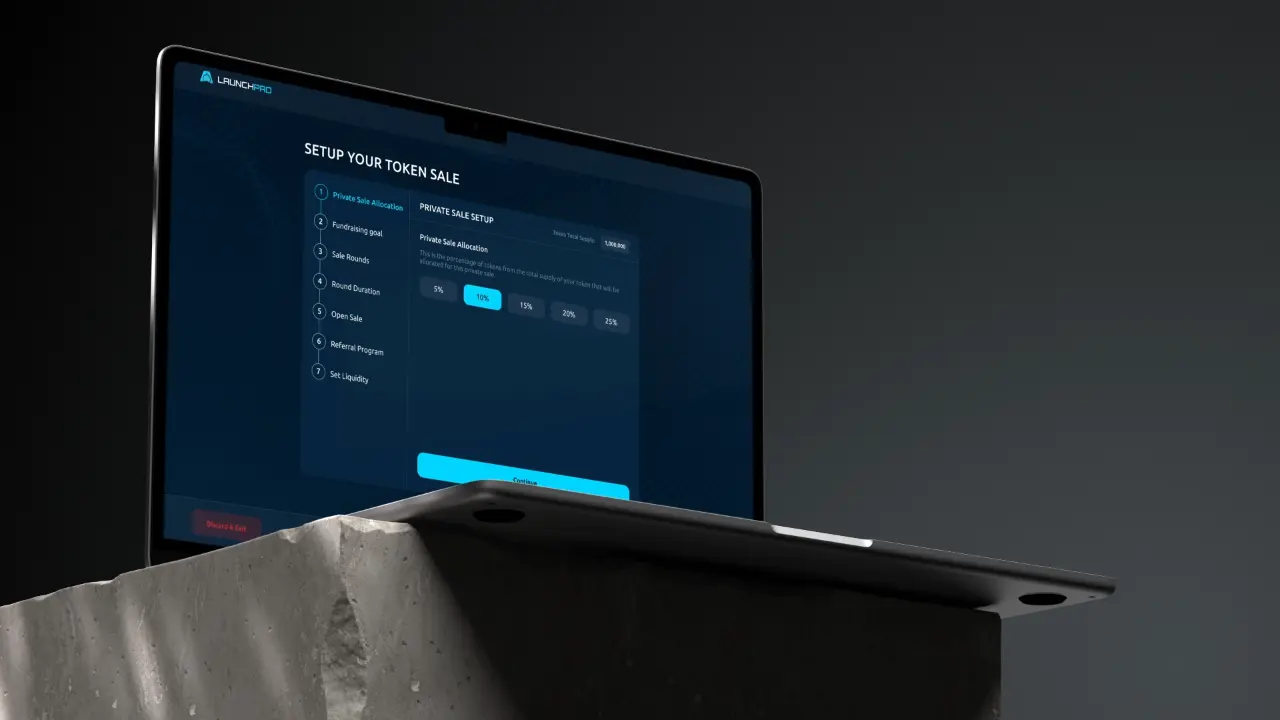

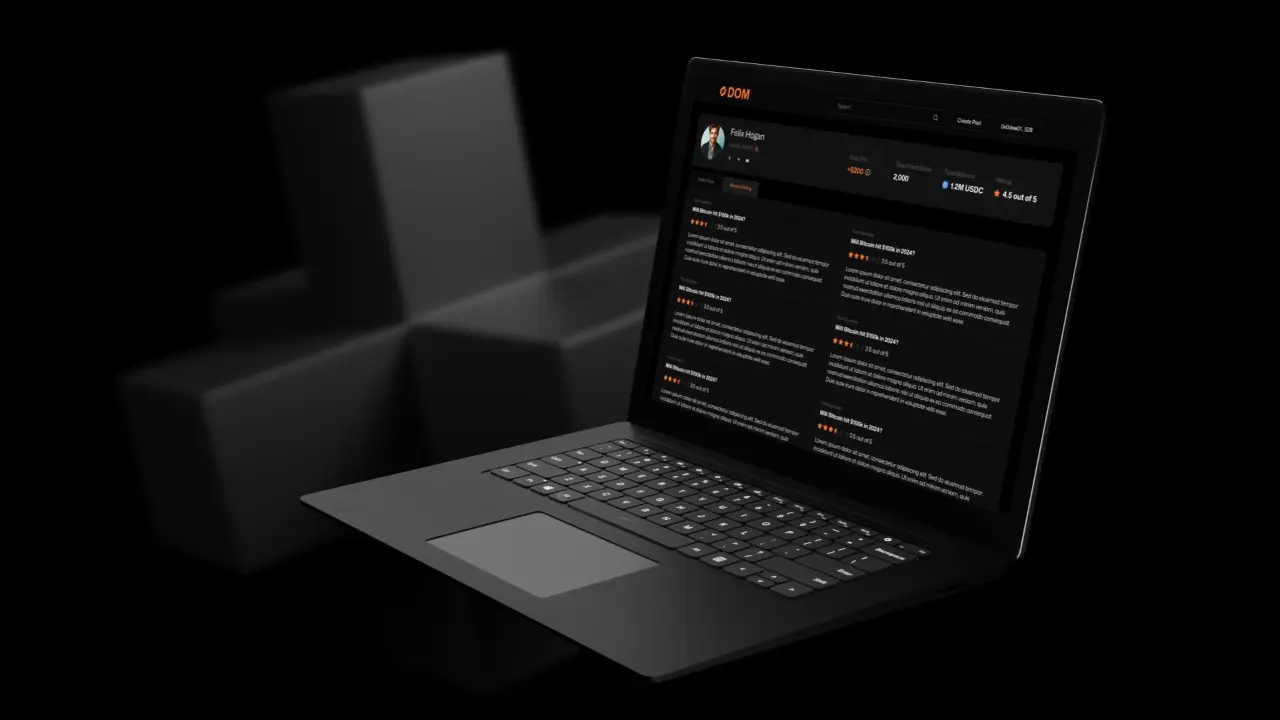
“The work Quecko has done has been absolutely brilliant. Extremely responsive, reliable, and fast — we can throw last minute requests in and they'll get them done by the end of the day.”
Tom Blears
Chief Executive Officer, BitcastHow We Collaborate
Dedicated Web3 Integration Pod
Full-time smart contract engineers and backend developers working alongside your existing game development team.
End-to-End Infrastructure Build
Fixed-scope development of the complete Web3 backend, smart contracts, and integration SDKs for your game.
Technical Advisory & Architecture
Consulting on tokenomics, network selection, and Web3 integration strategy before development begins.
Frequently Asked Questions
Latest Stories from Quecko
Ready to build a Web3 game that players actually want to play?
From invisible onboarding and gasless transactions to robust, high-performance backends — Quecko engineers the infrastructure that makes next-gen Web3 gaming possible.